
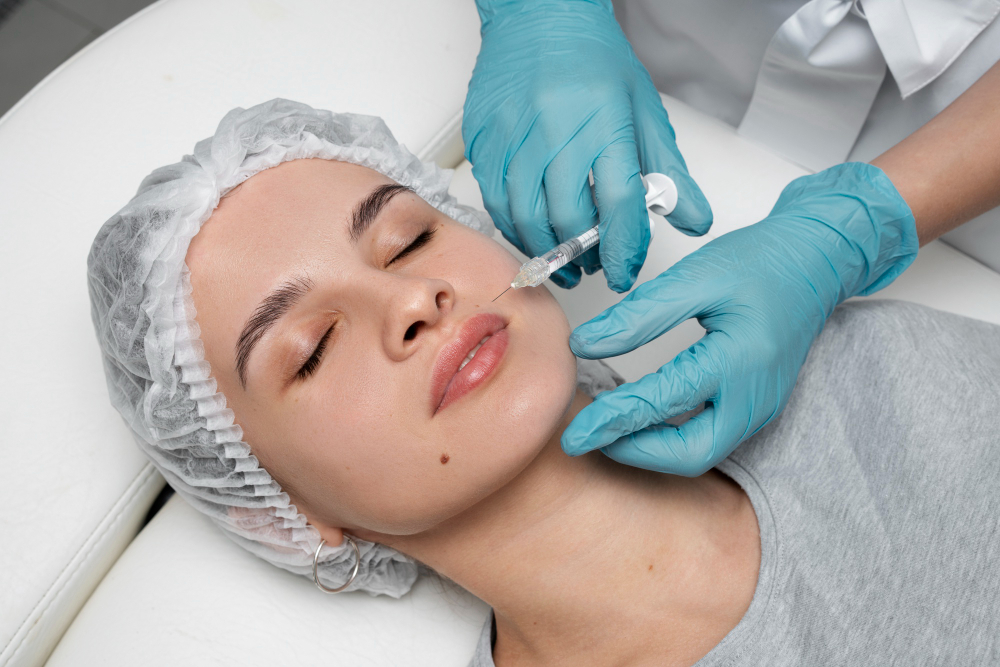
What Are Derma Fillers?
Derma fillers are soft, gel-like substances injected under the skin. They help add volume, smooth lines, and enhance facial features. Many people choose derma fillers for a younger look without surgery. In fact, derma fillers are one of the most popular cosmetic treatments worldwide. According to the American Society of Plastic Surgeons, millions of people use them each year.
Common Uses and Benefits of Derma Fillers
Derma fillers offer many benefits. They can:
Additionally, results are often quick and natural-looking. Most people see changes right after the procedure. Because derma fillers are non-surgical, recovery time is usually short.
Types of Derma Fillers
There are several types of derma fillers. Each type uses different ingredients. Some common types include:
However, your doctor will help you choose the best type for your needs.
The Derma Filler Procedure: What to Expect
Before the procedure, your doctor will review your medical history. They will also discuss your goals and explain the process. During the treatment, the skin is cleaned, and a numbing cream may be applied. Then, the doctor injects the derma filler into targeted areas. The whole process usually takes less than an hour. Most people feel only mild discomfort. Afterward, you can often return to daily activities right away.
Potential Risks and Side Effects
Although derma fillers are generally safe, some risks exist. Common side effects include:
Rarely, more serious problems can happen, such as infection or lumps. In very rare cases, blood vessel blockage can occur. Therefore, always choose a certified and experienced provider. The U.S. Food and Drug Administration (FDA) and the American Academy of Dermatology recommend this for safety.
Aftercare and Recovery Tips
Proper aftercare helps you get the best results. Here are some tips:
If you notice severe pain or signs of infection, contact your doctor right away.
Who Should Consider Derma Fillers?
Derma fillers are suitable for adults who want to improve their appearance without surgery. They are ideal for those with mild to moderate wrinkles or volume loss. However, people with certain allergies or skin conditions should talk to their doctor first. Pregnant or breastfeeding women should avoid derma fillers. Always discuss your health history with your provider before treatment.
Prevention of Complications and Safety Tips
To reduce risks, follow these safety tips:
Moreover, avoid “cheap” or unlicensed providers. The World Health Organization warns that unsafe injections can cause serious harm.
Conclusion
Derma fillers can help you look and feel your best. Still, it is important to understand the benefits, risks, and aftercare. For safe derma fillers and the best results, consult a certified dermatologist at Dermatology Institute and Aesthetics for personalized advice.