
Introduction
Chemical peels are skin treatments that use special solutions to remove damaged outer layers. Many people choose chemical peels to improve their skin’s look and feel. In fact, these treatments can help with fine lines, uneven skin tone, and mild scars. Because chemical peels are popular, it is important to know their benefits, risks, and what to expect. This guide will help you understand if a chemical peel is right for you.
Types of Chemical Peels
There are three main types of chemical peels. Each type works at a different skin depth. Your dermatologist will help you choose the best one for your needs.
Benefits of Chemical Peels
Chemical peels offer many advantages for skin health and appearance. For example, they can:
Additionally, regular chemical peels can help your skin care products work better. This is because they remove dead skin cells, allowing creams and serums to absorb more easily. According to the American Academy of Dermatology, chemical peels are safe and effective when done by a trained professional.
Risks and Side Effects
While chemical peels are usually safe, they do carry some risks. Most side effects are mild and go away on their own. However, it is important to know what to expect.
Rare risks include infection, scarring, or lasting color changes. Deep peels have a higher risk of side effects. Therefore, always follow your provider’s advice to lower your risk.
Who Should Consider Chemical Peels
Chemical peels work best for people with fair to medium skin tones. They are ideal for those who want to treat:
However, not everyone is a good candidate. For instance, people with dark skin may have a higher risk of color changes. Also, those with active skin infections, open wounds, or certain medical conditions should avoid chemical peels. Always talk to a dermatologist before starting treatment.
The Chemical Peel Procedure
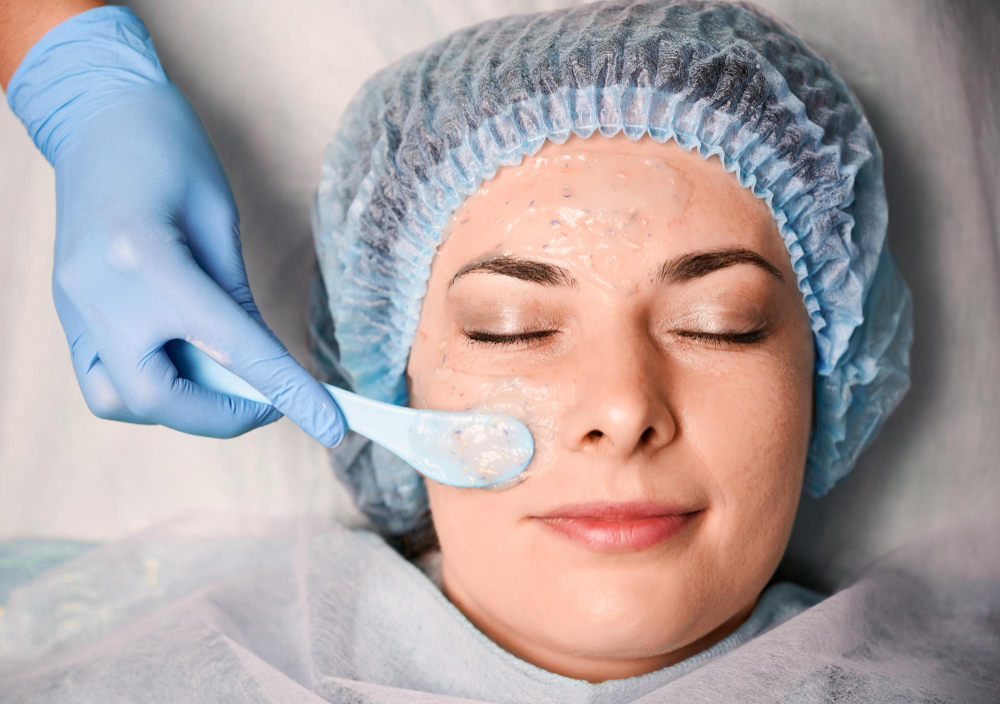
Knowing what to expect can help you feel more comfortable. Here is a step-by-step overview of a safe chemical peel procedure:
Most peels take less than an hour. For deeper peels, you may need pain relief or sedation.
Recovery and Aftercare
Proper care after a chemical peel is important for healing and good results. Here are some tips for chemical peel recovery:
Most people recover from a superficial peel in a few days. Medium and deep peels may take longer. If you notice signs of infection or severe pain, contact your provider right away.
Prevention and Safety Tips
Choosing a qualified provider is the best way to avoid problems. Here are some safety tips for a safe chemical peel procedure:
In some areas, you can find clinics offering chemical peels in your city. However, always check the provider’s credentials and reviews before booking an appointment.
Conclusion
Chemical peels can improve your skin’s look and health when done safely. However, it is important to know the benefits, risks, and what to expect. Consult a dermatologist at Dermatology Institute and Aesthetics for personalized advice on chemical peels.