
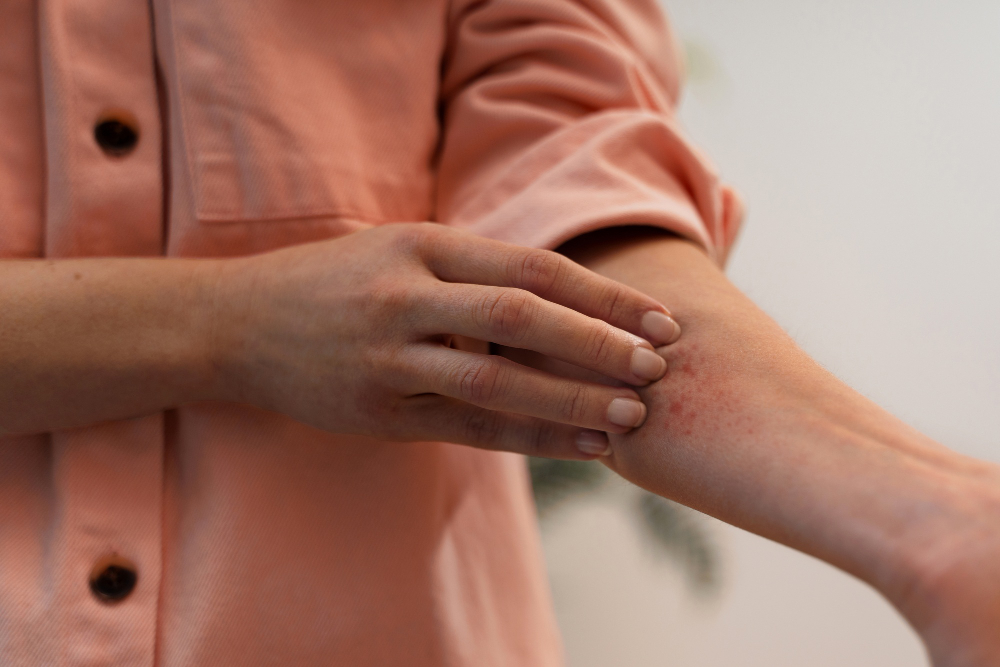
What is Ringworm?
Ringworm infections are common skin problems caused by a type of fungus. Despite the name, ringworm is not caused by a worm. Instead, it gets its name from the ring-shaped rash it often creates. These infections can affect the skin, scalp, feet, or nails. In warm and humid places, ringworm can spread more easily. Because it is contagious, it can pass from person to person or from animals to people.
Symptoms of Ringworm Infections
Recognizing ringworm symptoms early can help you get the right treatment. Usually, symptoms start as small, red, scaly patches. Over time, these patches may grow and form a ring shape. However, not all cases look the same. For example, ringworm on the scalp may cause hair loss or scaly spots. On the feet, it is often called athlete’s foot.
Sometimes, the rash may blister or ooze. If you notice these signs, it is important to take action quickly.
Causes and Risk Factors
Ringworm infections are caused by fungi called dermatophytes. These fungi live on skin, hair, and nails. They thrive in warm, moist areas. Because of this, people who sweat a lot or live in humid climates are at higher risk. The infection spreads easily through direct contact. For instance, touching an infected person, animal, or object can cause ringworm.
Children, athletes, and people with weak immune systems are more likely to get ringworm. Good hygiene can help lower your risk.
How Ringworm is Diagnosed
If you think you have ringworm, a doctor can help confirm it. Usually, doctors look at your skin and ask about your symptoms. Sometimes, they may scrape a small sample from the rash. This sample is checked under a microscope or sent to a lab. Because other skin problems can look like ringworm, a proper diagnosis is important. Quick diagnosis helps you start the right treatment.
Treatment Options for Ringworm
Knowing how to treat ringworm is important for a quick recovery. Most mild cases can be treated with antifungal creams or ointments. These are available at pharmacies. For example, creams with clotrimazole or terbinafine work well. You should apply the cream as directed, usually for two to four weeks. If the infection is on the scalp or nails, you may need prescription medicine. Oral antifungal pills are often used in these cases.
If symptoms do not improve after two weeks, see your doctor. Sometimes, stronger medicine is needed.
Prevention Tips
Preventing ringworm infections is possible with good habits. Because the fungus spreads easily, you should take steps to protect yourself and others. For example, always keep your skin clean and dry. In addition, avoid sharing personal items.
By following these tips, you can lower your risk of getting or spreading ringworm.
When to See a Doctor
If your rash does not improve after using antifungal cream, you should see a doctor. Also, if the infection is on your scalp, nails, or covers a large area, medical help is needed. Sometimes, ringworm can cause pain, swelling, or pus. In these cases, quick treatment is important. People with weak immune systems should always talk to a doctor if they suspect ringworm.
For personalized advice on ringworm infections, consult a healthcare professional at Dermatology Institute and Aesthetics. Early treatment can help you recover faster and prevent spreading the infection to others.